Current Faculty
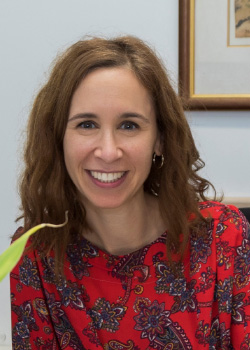
Anat Florentin, Ph.D., Hebrew University
MALARIA AND PARASITIC DISEASES: The Florentin lab studies how parasites function. Their particular focus is on the malaria parasite, seeking to find treatment to combat malaria, a disease that effects half the world’s population.

Batsheva Kerem, Ph.D., Hebrew University
Genomic instability is a major driving force of tumorigenesis. Our goal is to understand the mechanisms underlying genomic instability during cancer development, with a focus on the role of oncogene and tumor suppressor-affected networks, in DNA replication stress, transcription and chromatin remodeling.
Professor Kerem also researches cystic fibrosis. Using patient-derived organoids she aims to develop therapeutic approaches for CF patients carrying rare mutations.

Abed Mansour, Ph.D., Hebrew University
Our lab investigates the molecular and neuroinflammatory mechanisms underlying neurodevelopmental and neurodegenerative disorders, with a current primary focus on Alzheimer’s and Parkinson’s disease. Our goal is to advance understanding of disease-driving processes and their associated mechanisms to pave the way for novel therapeutic strategies. To achieve this, we develop and employ cutting-edge, stem cell-based human-relevant experimental models, leveraging advanced patient-derived iPSCs and brain organoid technologies.
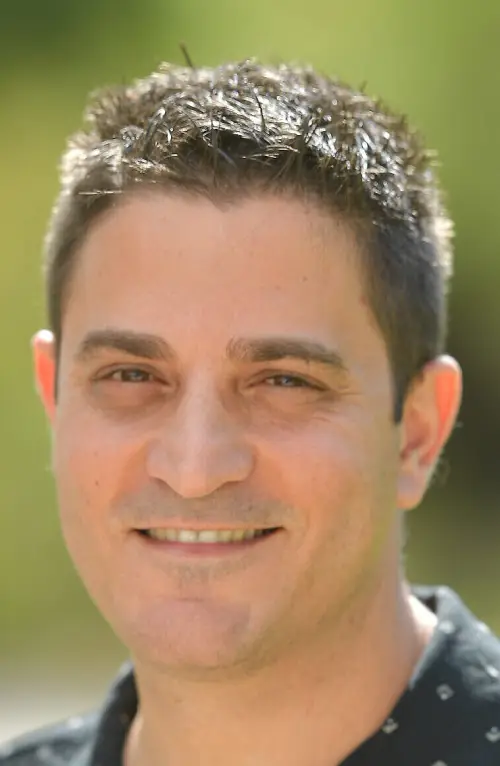
Sahar Melamed, Ph.D., Hebrew University
Our lab studies how bacteria regulate gene expression through small RNAs and RNA-RNA interactions, particularly during interactions with bacteriophages, competing microbes, and host-associated environments. By combining mechanistic RNA biology, systems-level approaches, and applied phage research, we aim to uncover regulatory principles that shape bacterial physiology, virulence, horizontal gene transfer, and microbial community behavior.

Maayan Salton, Ph.D., Hebrew University
The Salton Lab studies how RNA splicing shapes brain development and disease, with a particular focus on autism spectrum disorder.

Sharon Schlesinger, Ph.D., Hebrew University
Dr. Schlesinger’s lab investigates key aspects of epigenetic regulation in embryonic stem cells. (Epigenetics refers to how behavior and environment can alter our genes throughout our lives.) They apply this information to find new ways to produce meat and limit environmental impact.

Dror Sharon, Ph.D., Hebrew University
RETINAL DISEASE: The Sharon Lab focuses on identification of genes and mutations that cause inherited eye diseases, such as blinding retinal degeneration, that occur in the Israeli and Palestinian populations.
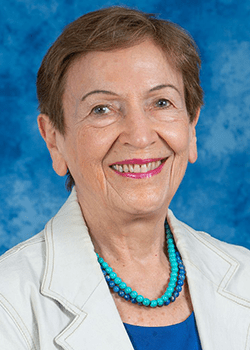
Ruth Sperling, Ph.D., Hebrew University
The Sperling lab elucidates how RNA is made into specific sequences so it can direct synthesis of specific proteins. This enables her lab to understand changes in the regulation that occur in diseases, including cancer.
FACULTY ADVISORS
Rami Aqueilan, Ph.D., Hebrew University
Tali Burstyn-Cohen, Ph.D., Hebrew University
Nadav Davidovich, Ph.D., Ben Gurion University
Yaakov Gopas, Ph.D., Ben Gurion University
Eyal Klement, Ph.D., Hebrew University
Gabriel Nussbaum, Ph.D., Hebrew University
Anat Rosenthal, Ph.D., Ben Gurion University
Doron Steinberg, Ph.D., Hebrew University
Yehuda Tsfati, Ph.D., Hebrew University