
Current Faculty
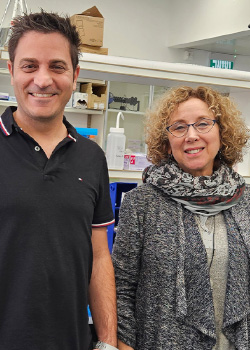
ORNA AMSTER-CHODER, Ph.D. and
SAHAR MELAMED, Ph.D.
Hebrew University
ANTIBIOTIC RESISTANCE and RNA : The Melamed and Amster-Choder labs are elucidating mechanisms about how genes in bacterial pathogens function on a biochemical level. Their insights promote development of new generations of antibiotics to counteract antibiotic resistance that is now widespread and compromises medical practice on both sides of the Israel-Palestine border and globally.

EITAN RUBIN, Ph.D.
Ben Gurion University
New bioinformatics tools allow analysis of very large data sets to extract observations on how many factors influence disease risk. Professor Rubin uses bioinformatics to determine new approaches to specific cancers. This is called precision oncology.
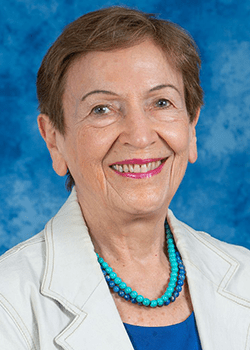
RUTH SPERLING, Ph.D.
Hebrew University
The Sperling lab elucidates how RNA is made into specific sequences so it can direct synthesis of specific proteins. This enables her lab to understand changes in the regulation that occur in diseases, including cancer.

SHARON SCHLESINGER, Ph.D.
Hebrew University
Dr. Schlesinger’s lab investigates key aspects of epigenetic regulation in embryonic stem cells. (Epigenetics refers to how behavior and environment can alter our genes throughout our lives.) They apply this information to find new ways to produce meat and limit environmental impact.
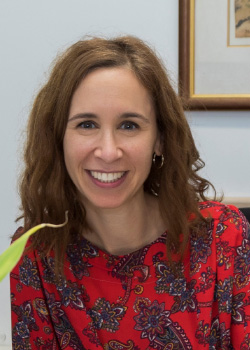
ANAT FLORENTIN, Ph.D.
MALARIA AND PARASITIC DISEASES: The Florentin lab studies how parasites function. Their particular focus is on the malaria parasite, seeking to find treatment to combat malaria, a disease that effects half the world’s population.

OSNAT GILLOR, Ph.D.
Ben Gurion University
I explore the microbial world in diverse environments, from desert soils to water filtration systems and aquatic farms. My research spans the spectrum, from unlocking the secrets behind everyday phenomena like the scent of rain, to monitoring waterborne pathogens and cultivating innovative aquatic crops.
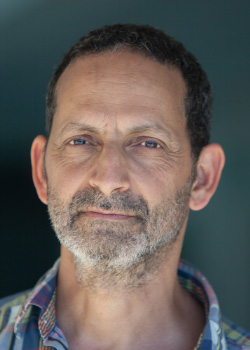
MOSHE HERZBERG, Ph.D.
Ben Gurion University
Professor Herzberg researches methods to extend function for water purification and desalination process that are crucial in the water-starved Middle East.
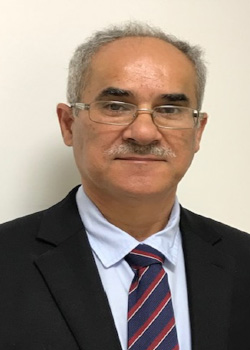
MAHMOUD HULEIHEL, Ph.D.
Ben Gurion University
MALE INFERTILITY: Infertility is a problem in all societies with male infertility a particularly sensitive issue. The Huleihel group is discovering genes that may be involved in male infertility. Furthermore, their studies include the development of sperm from stem cells. With new techniques of genetics, they seek to devise ways to avoid infertility problems in the future.

DAN RABINOWITZ, Ph.D.
Tel Aviv University
CLIMATE CHANGE :The Rabinowitz group identifies challenges posed to Israel, Palestinian and Bedouin cattle herders and farmers due to ecological change and sociological barriers. They formulate scientifically and culturally sensitive solutions to these challenges to affect government policy.

DROR SHARON, Ph.D.
Hebrew University
RETINAL DISEASE: The Sharon Lab focuses on identification of genes and mutations that cause inherited eye diseases, such as blinding retinal degeneration, that occur in the Israeli and Palestinian populations.

YEHUDA TZFATI, Ph.D.
Hebrew University
Researches the genetics and biology of inherited diseases characterized by immunodeficiency and developmental defects.
FACULTY ADVISORS
Rami Aqueilan, Ph.D., Hebrew University
Tali Burstyn-Cohen, Ph.D., Hebrew University
Nadav Davidovich, Ph.D., Ben Gurion University
Yaakov Gopas, Ph.D., Ben Gurion University
Eyal Klement, Ph.D., Hebrew University
Gabriel Nussbaum, Ph.D., Hebrew University
Anat Rosenthal, Ph.D., Ben Gurion University
Doron Steinberg, Ph.D., Hebrew University